
Home Systems Built for
Busy Rochford & Essex Families
That Actually Survive the Week.
Simple, low-maintenance routines and drop-zones designed around school runs, dual-career diaries and real energy levels, so the household stops relying on one person holding everything together.
- Designed around real routines
- APDO accredited
- Works with kids in the house
- Free 30-min discovery call
What you're actually booking,
and what it's for.
- What it is
- This service designs the invisible infrastructure of a family home, where school bags land, how laundry flows, how weekly food happens, how the diary syncs, how the drop-zone by the front door stops becoming a graveyard. The physical organising serves the routine, not the other way round.
- Who it's for
- It's for households where both adults work, single parents, blended families, families with neurodiverse members and anyone whose calendar became more complicated than the systems supporting it. If one person is 'the one who knows where everything is', this fixes that.
- When to book
- The natural trigger points are a new school year, a return to work after parental leave, a house move, a new baby, a job change or a partner starting to travel more.
- Why professional help matters
- Off-the-shelf routines from books and apps rarely stick because they weren't designed around your household. A professional organiser watches how you actually live for a day and builds systems your family will follow because they were built for you.
A closer look at
what actually happens on the day.
'Systems' is a vague word so here's specifically what I put in place inside a busy Essex family home.
The Drop-Zone
A single, defined area (usually by the front or back door) with hooks, a shoe zone, a bag zone and a small charging station. Everything the family walks in and out with lives here, nowhere else. Coats, shoes, bags, keys, sunglasses, umbrellas.
School Kit & Uniform Flow
Uniform is stored by day of the week where appropriate, PE kit lives on its own hook, shoes are polished on Sunday. Book bags are unpacked into a defined 'action tray' the moment the child walks in, so nothing sits in the bottom of a bag until Monday morning.
Laundry Loop
Baskets are placed at the point of undressing, not centrally. Wash days are assigned by category rather than 'when the pile is full', so ironing and folding stop backing up. Clean laundry is put away the day it comes out of the dryer, or it isn't finished.
Kitchen Rhythm
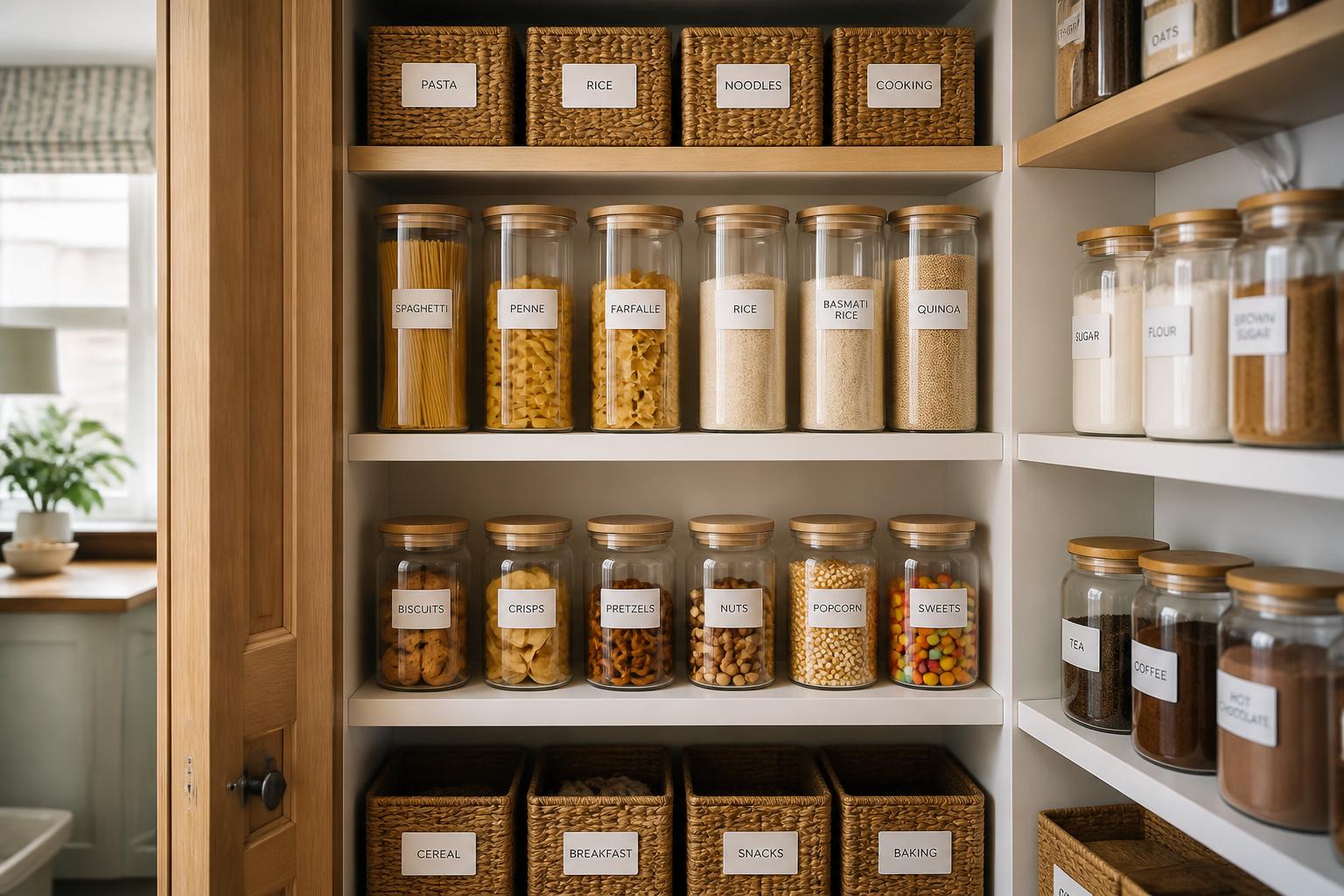
A short weekly meal plan (five dinners, not seven), a written shopping list linked to it, and a defined 'kids' snack zone' at child height so they stop asking. Lunchboxes are prepped the night before, not the morning of.
Paperwork & Diary
One family calendar, one place for school letters, one weekly 15-minute admin slot for both parents to review the week ahead. Permission slips and party invites go in an 'action this week' tray, not on the fridge.
The Weekly Reset
A 30–45 minute weekend reset, usually Sunday afternoon, where bags are restocked, kit is checked, laundry is finished and next week is scanned. This one habit is often the difference between a household that copes and one that doesn't.
Involving Older Children
Where age-appropriate, children are given ownership of their drop-zone slot, their laundry basket and their homework tray. Systems that involve them stick better than systems imposed on them.
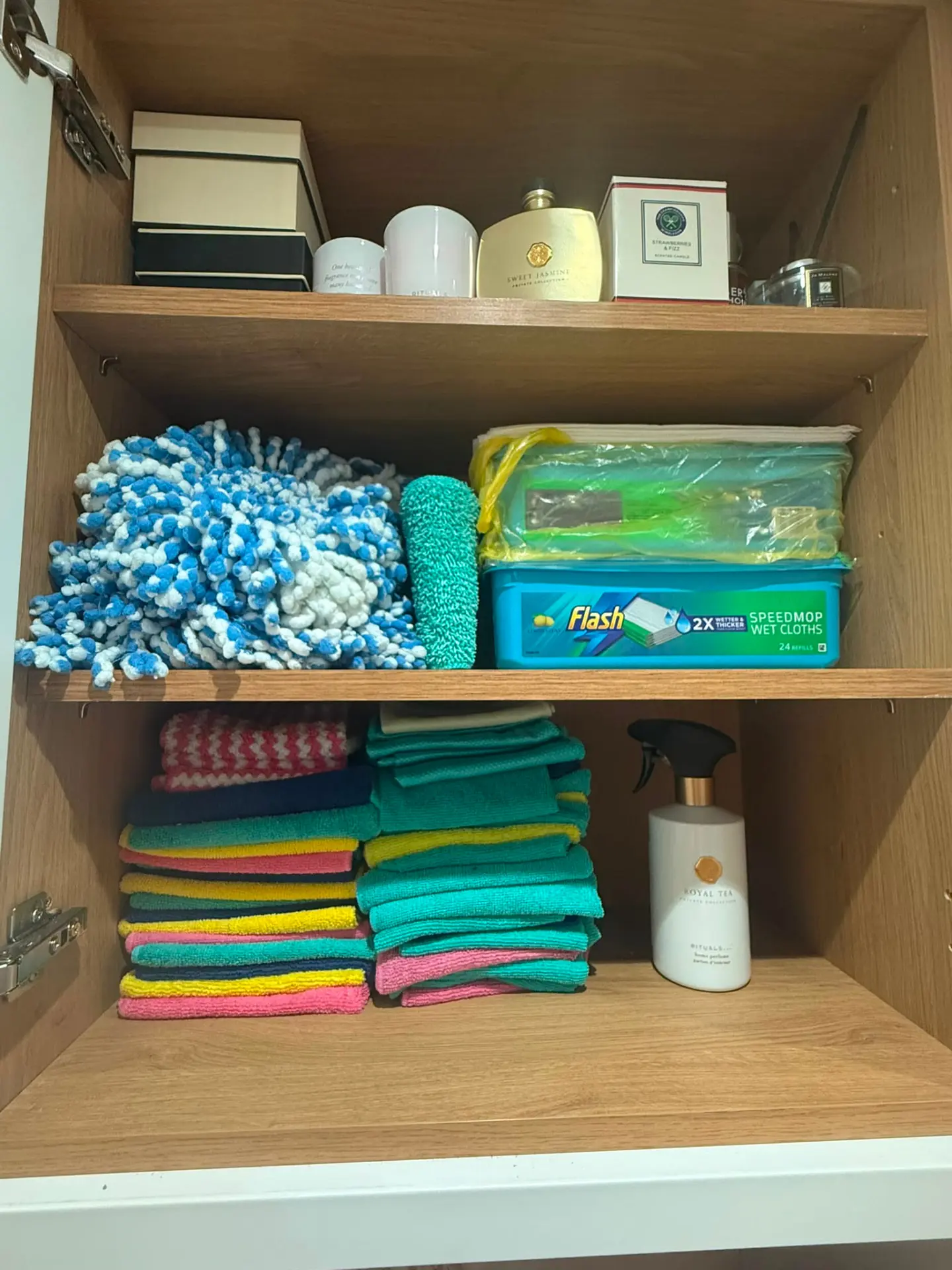
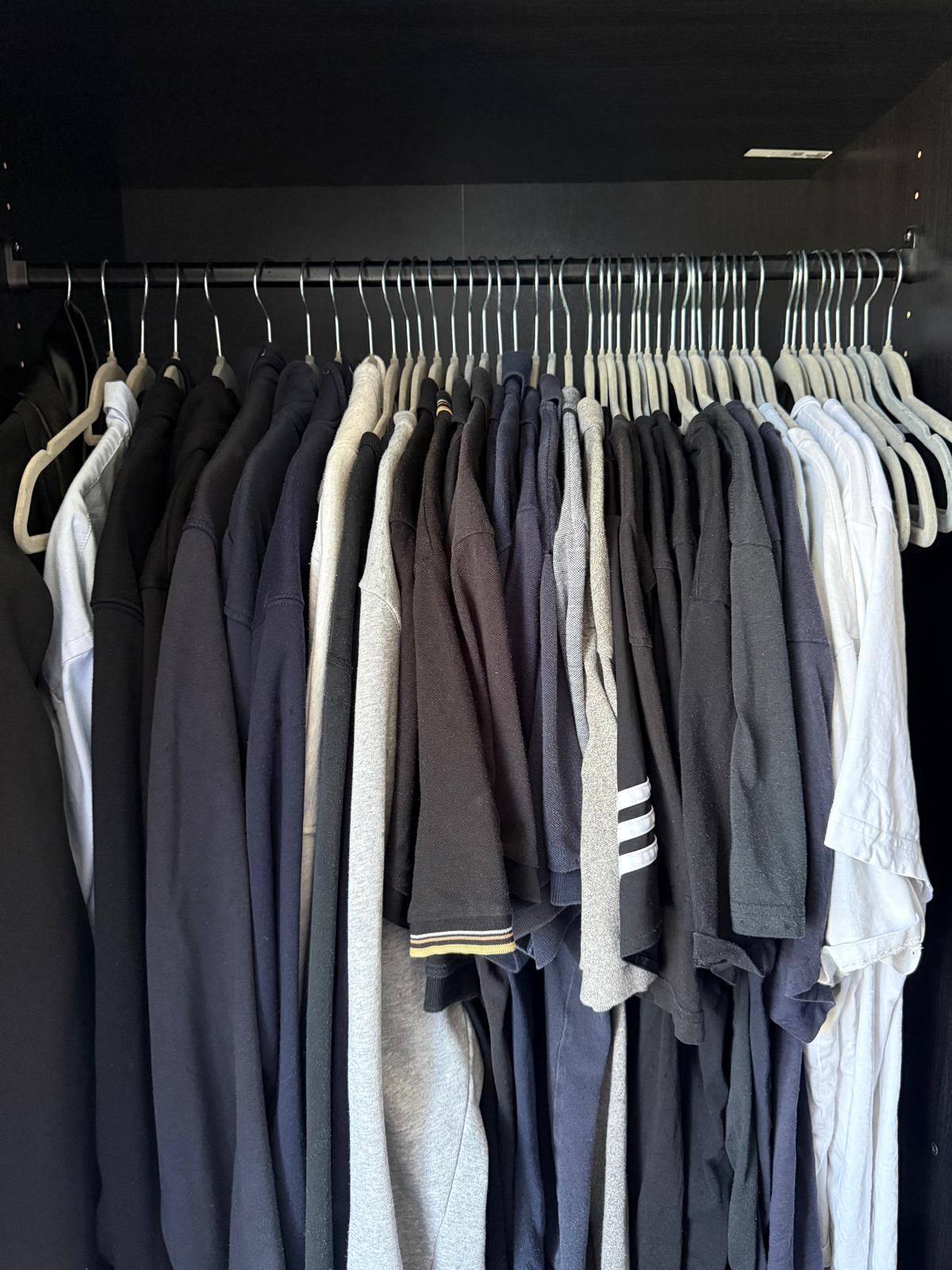
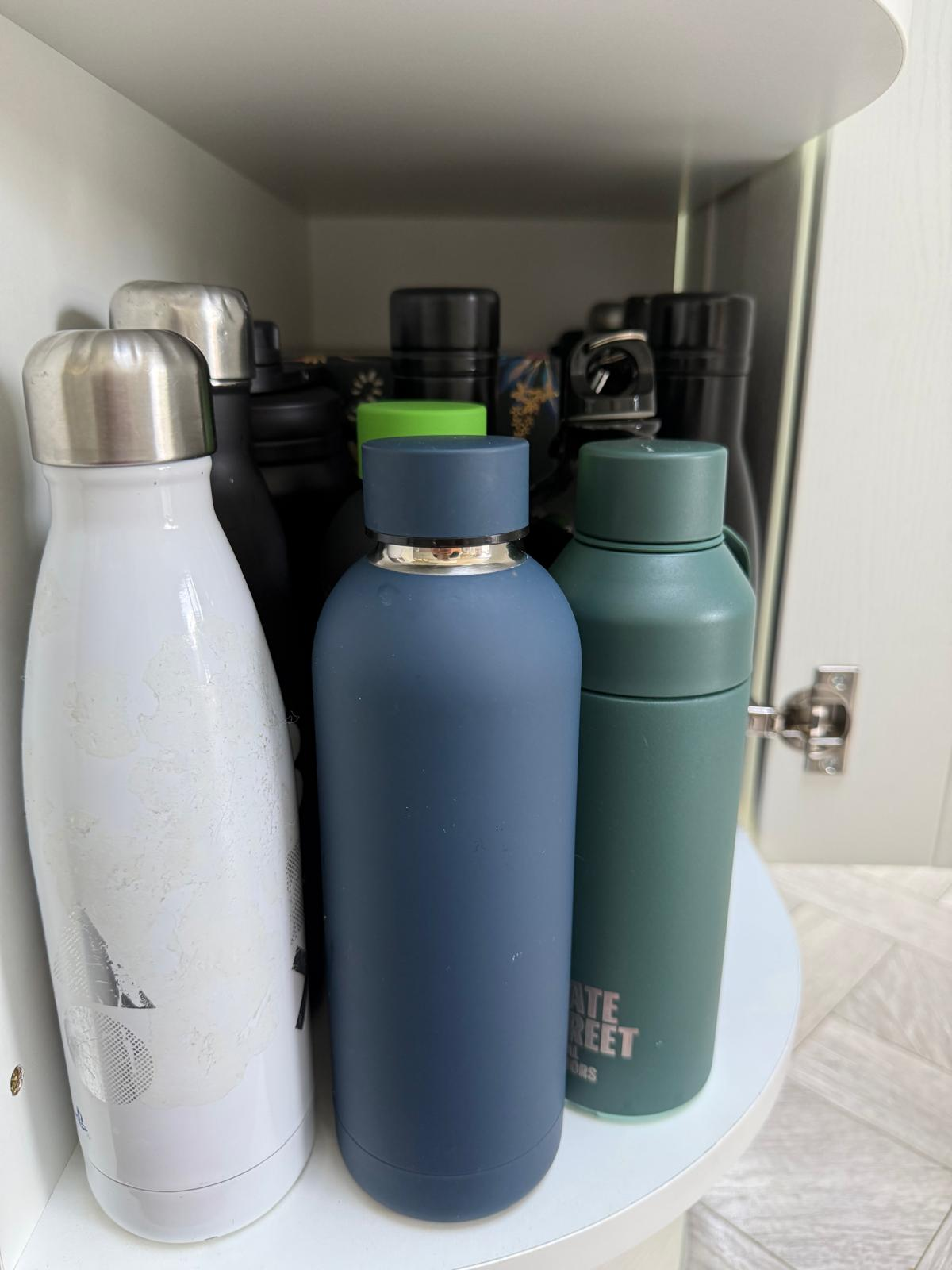
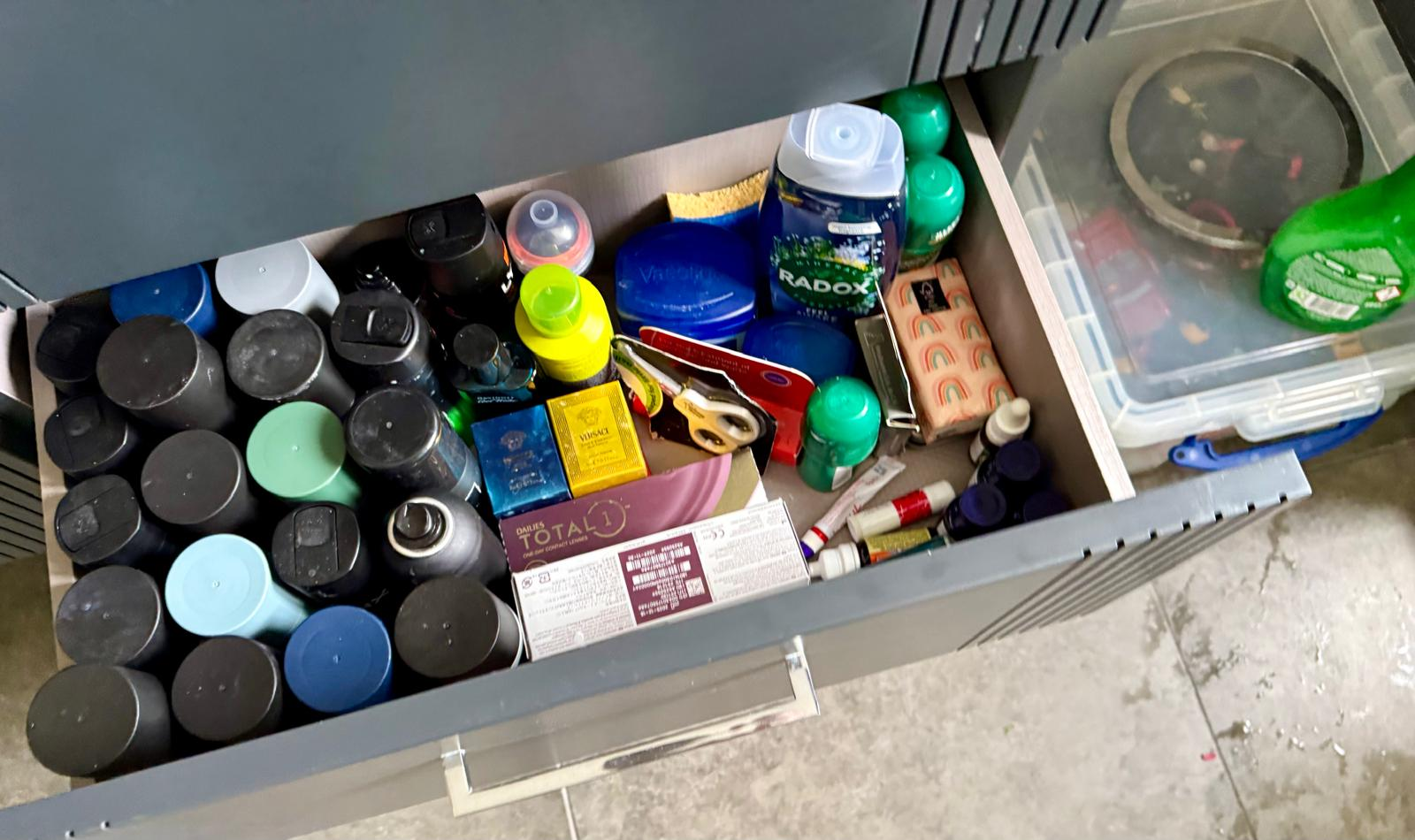
Our Work
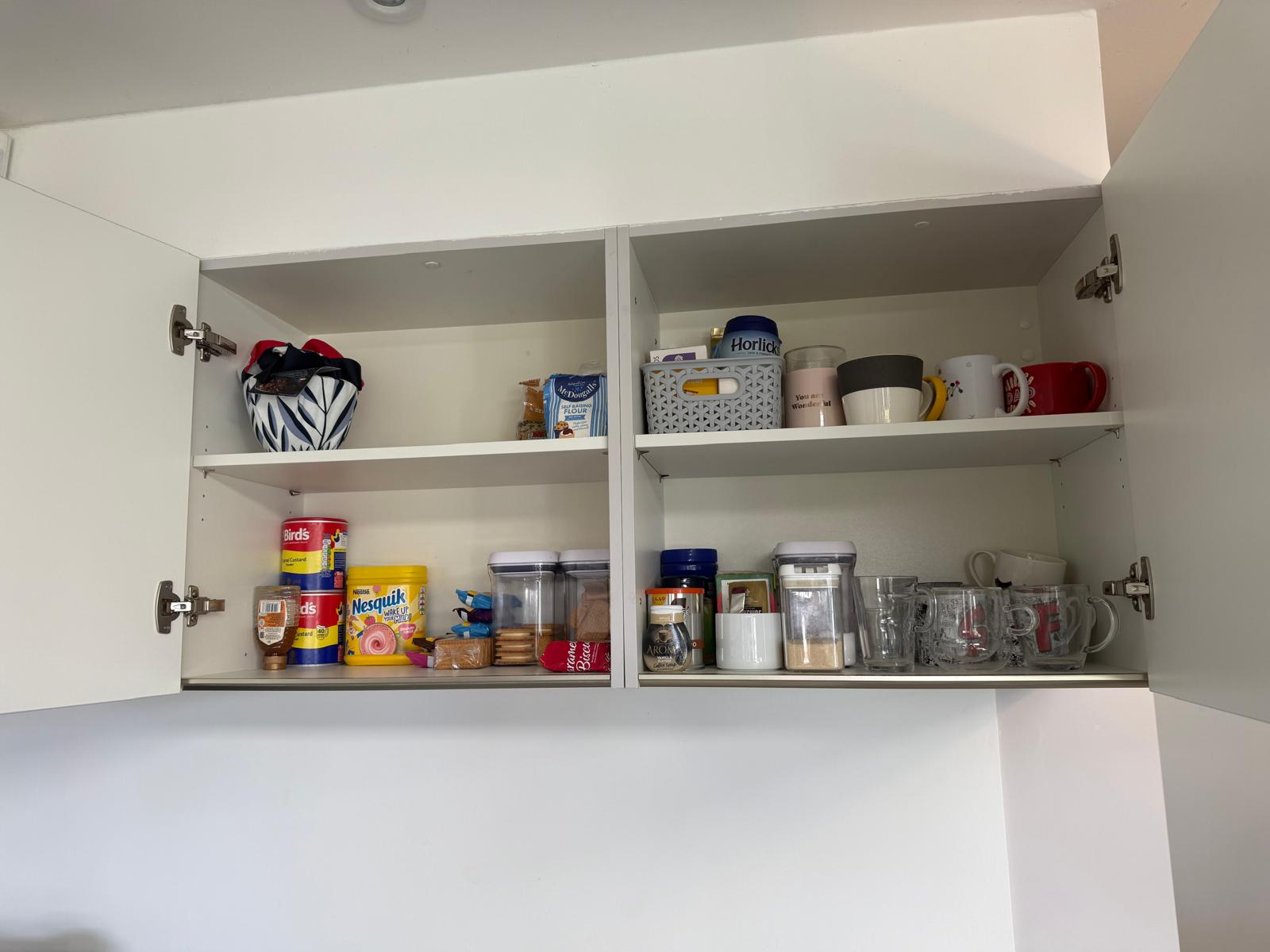
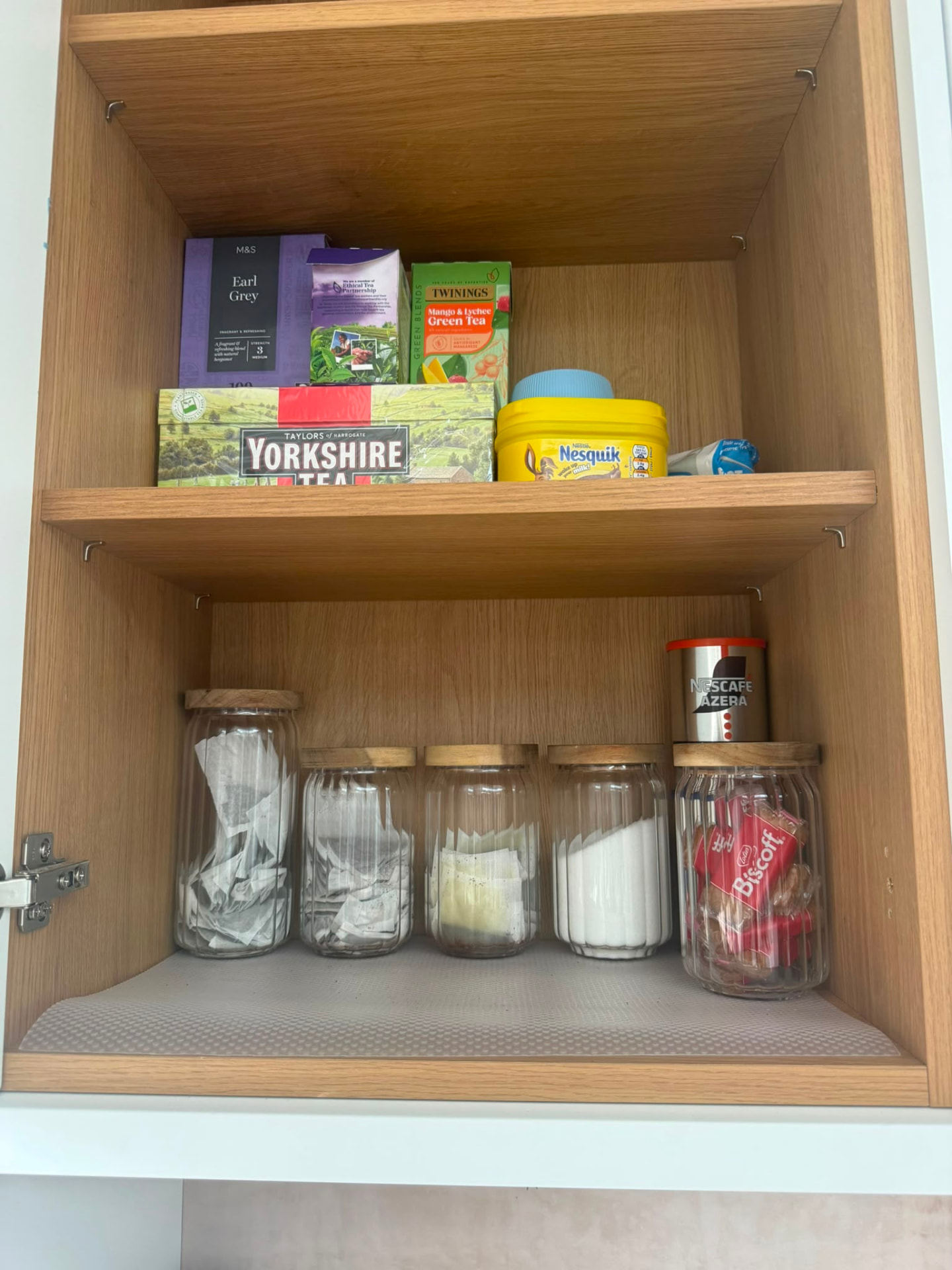
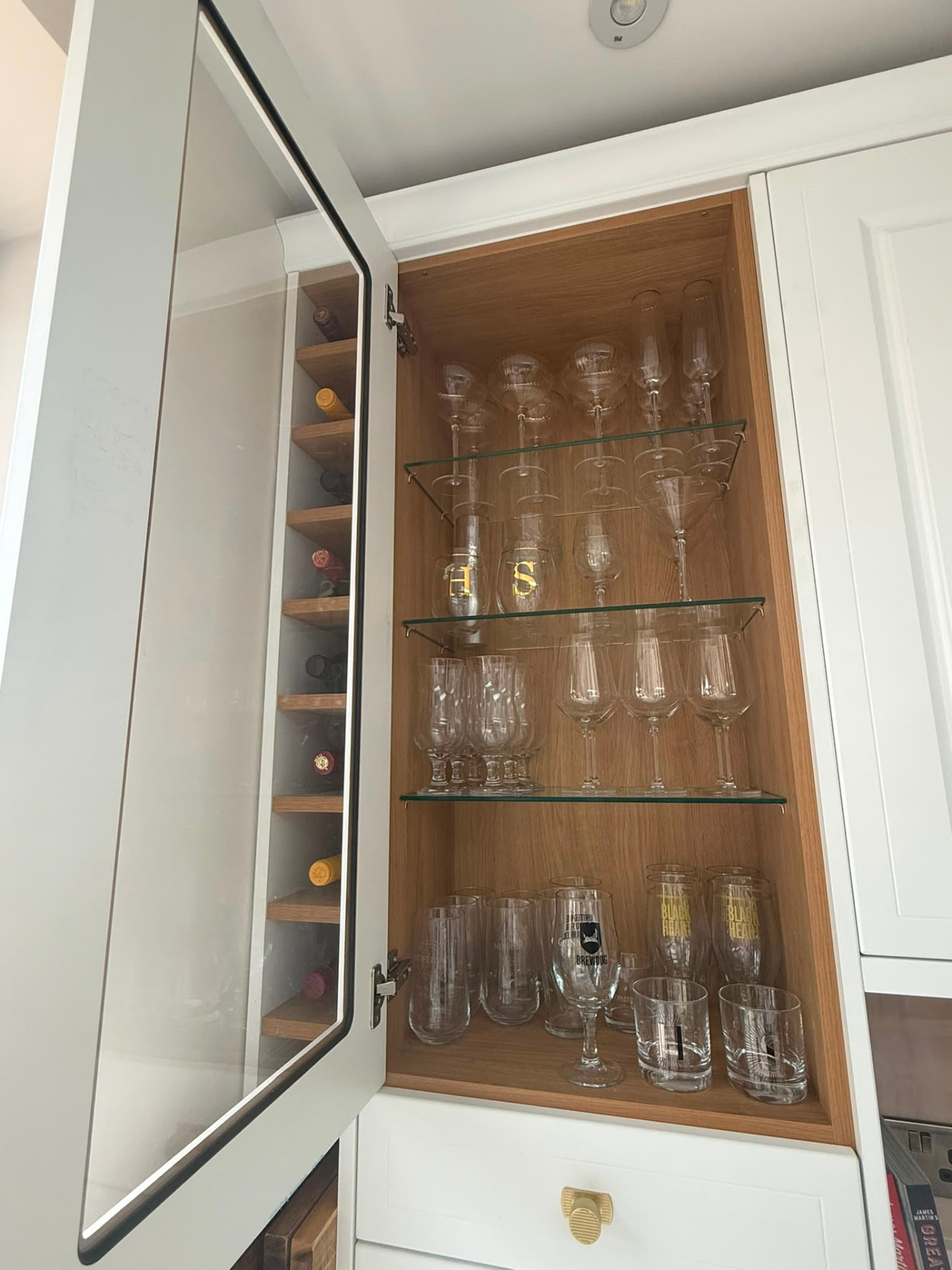
Some of our organised spaces.
Concrete outcomes,
not vague promises.
Load Sharing
Systems are documented simply enough that any adult in the household can run the week without asking.
Faster Mornings
Uniform, PE kit, bags and shoes get a single launching zone so the school run stops being an argument.
Fewer Missed Details
A weekly rhythm captures forms, appointments, birthdays and meal planning before they turn into last-minute problems.
Less Waste
Meal planning cut to a simple weekly loop reduces food waste and the midweek 'nothing to cook' takeaway habit.
Calmer Evenings
A defined 15-minute end-of-day reset means the house is fit for morning without an hour of tidying.
Confidential & Kind
APDO code of conduct, nothing about your household leaves the sessions.
From first call
to systems that last.
Every project follows the same considered rhythm, so you know exactly what happens before, during and after we work together.
Start with a Free Call- 01
Free 30-Minute Discovery Call
We talk through the rooms causing the most stress, the outcome you want and any constraints, pets, small children, working from home. No pressure, no obligation, no upsell.
- 02
In-Home Walkthrough & Measure
I visit your home, measure every relevant drawer, wardrobe and cupboard, photograph the space and agree the scope in writing before any work is booked.
- 03
Plan, Sourcing & Prep
I design zones around how you actually live, source any storage inserts, hangers, labels or baskets, and confirm the day-by-day plan so you know exactly what to expect.
- 04
Hands-On Organising Day
We work alongside you throughout. Everything is sorted, categorised, edited and placed. Anything leaving the house is bagged and removed the same day.
- 05
Systems Handover & Aftercare
You get a short walkthrough of the finished space, a simple maintenance routine your household can actually keep up with, and a follow-up message a fortnight later to check nothing has drifted.
When the Household Runs on One Person's Memory
Every family has a default operator, usually one parent, who mentally holds the PE kit rota, the shoe sizes, the parents' evening dates, the after-school pickups, the packed lunch dietary quirks and where the spare house key lives. When that person is ill, working late or simply overloaded, the whole system stalls. It looks like a laziness problem in the other members of the household, but it's an information design problem: the systems only live in one head. Left unaddressed, the operator burns out, resentment builds, small things get missed (school forms, birthdays, dentist appointments) and the family runs increasingly on late-night takeaway and last-minute Amazon Prime.
Common Mistakes I See
- 01Introducing five new apps at once. Families adopt one habit at a time or none at all.
- 02Building a Pinterest command centre no one uses. Wall calendars only work if they replace an existing habit, not add to it.
- 03Punishing the kids for not knowing where things are that were never given a proper home.
- 04Adding a cleaner or a nanny before fixing the systems, you're paying a professional to work in a broken workflow.
The questions
most Essex clients ask.
Do you work while the children are in the house?+
Yes, though the deep planning session usually works best while they're at school. Once systems are in place I often run a short walkthrough with older children so they understand how their zone works.
How long does it take to embed new routines?+
Physical setup is usually one to two days. Routines take about a fortnight to feel natural, which is why I include a follow-up check two weeks later.
Do you use any specific app or planner?+
I'll recommend based on what your household already uses. Adding a new app that no one opens is worse than working with the one already on your phones.
Can you help if only one partner is bought in?+
Yes. Systems can be designed to work even when only one adult drives them, as long as we're honest about that on the discovery call.
What does this cost?+
Confirmed on the discovery call once we've talked through your household and rooms involved. You'll have a clear written figure before booking.
Do you help with neurodiverse family members?+
Yes, visual, low-friction systems tend to work particularly well for ADHD and neurodivergent households. I'll ask on the call so it's designed in from the start.
Is everything you see kept confidential?+
Absolutely, the APDO code of conduct applies to every home I enter.
Which Essex areas do you cover?+
Rochford, Upminster, Southend, Thorpe Bay, Rayleigh, Chigwell, Colchester, Sudbury and the City of London.
Ready to see what home systems built for
could look like in your home?
Every project starts with a free 30-minute discovery call. No hard sell, no obligation, just a calm conversation about the space, the outcome you want, and whether we're the right fit.
APDO Accredited · Mon–Sat · 6am–8pm